Hardwood Cladding Installation in Boston, MA
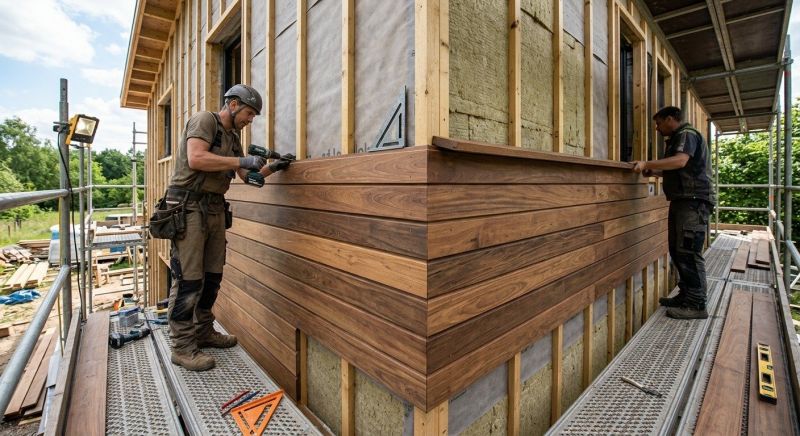
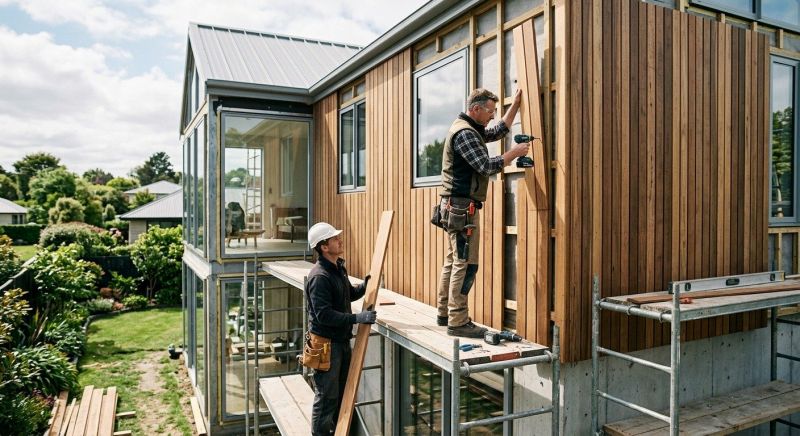
Hardwood cladding installation involves attaching natural wood panels to the exterior or interior surfaces of a property to enhance its appearance and durability. This service is commonly used for upgrading facades, creating feature walls, or adding warmth and texture to both residential and commercial buildings. Homeowners often request hardwood cladding to improve curb appeal, protect underlying structures from weather elements, or achieve a specific aesthetic style that complements their property’s design.
Before requesting hardwood cladding installation, property owners typically want to understand the types of wood available, such as oak, cedar, or mahogany, and how each material suits their climate and style preferences. They may also inquire about the maintenance requirements, installation process, and longevity of different wood options. Clarifying these details can help ensure the chosen cladding meets both aesthetic goals and practical needs for the property.
Many property owners in Boston, MA look into Hardwood Cladding Installation for repairs, replacements, upgrades, and appearance-related improvements.
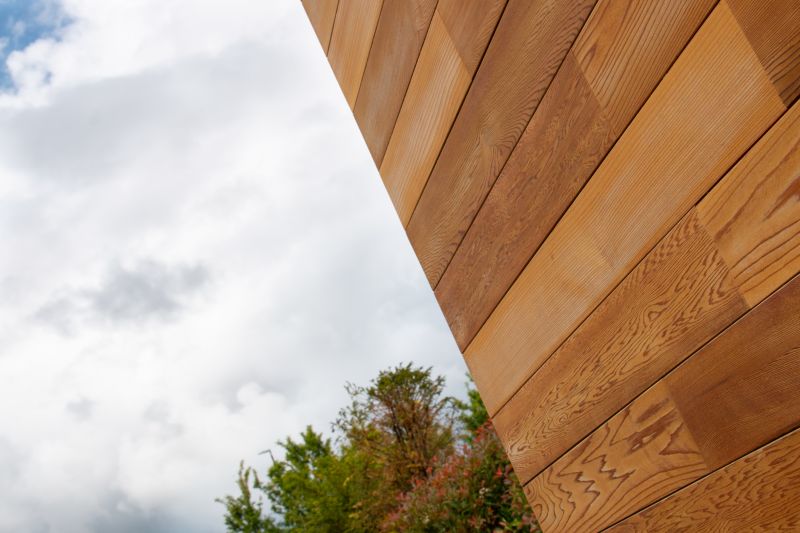
Enhancing Exterior Aesthetics
Hardwood cladding adds warmth and character to building exteriors in boston neighborhoods.
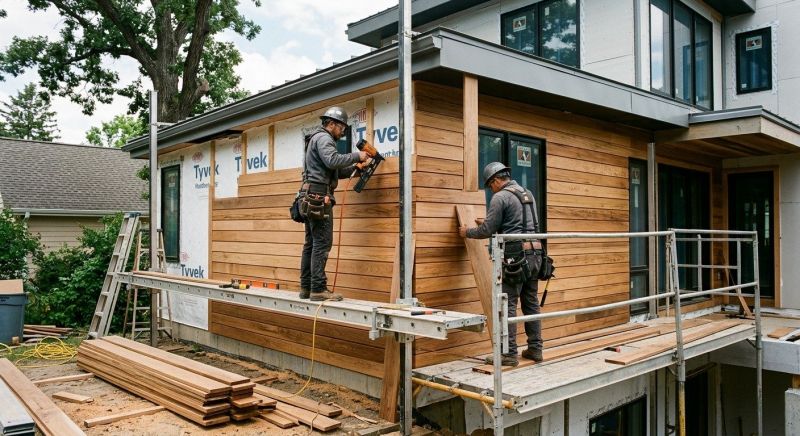
Durable Wall Coverings
The installation provides a long-lasting, attractive surface for residential and commercial properties.
Custom Design Options
Various hardwood styles and finishes allow for tailored appearances to match property architecture.
Hardwood Cladding Installation in Boston, MA

Hardwood cladding installation involves attaching natural wood panels to the exterior or interior surfaces of a property to enhance its appearance and durability. This service is commonly used for upgrading facades, creating feature walls, or adding warmth and texture to both residential and commercial buildings. Homeowners often request hardwood cladding to improve curb appeal, protect underlying structures from weather elements, or achieve a specific aesthetic style that complements their property’s design.
Before requesting hardwood cladding installation, property owners typically want to understand the types of wood available, such as oak, cedar, or mahogany, and how each material suits their climate and style preferences. They may also inquire about the maintenance requirements, installation process, and longevity of different wood options. Clarifying these details can help ensure the chosen cladding meets both aesthetic goals and practical needs for the property.
Many property owners in Boston, MA look into Hardwood Cladding Installation for repairs, replacements, upgrades, and appearance-related improvements.
Common Hardwood Cladding Installation Jobs
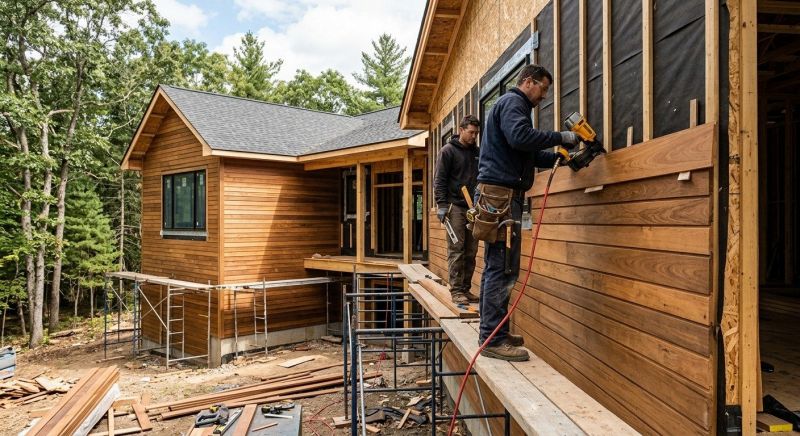
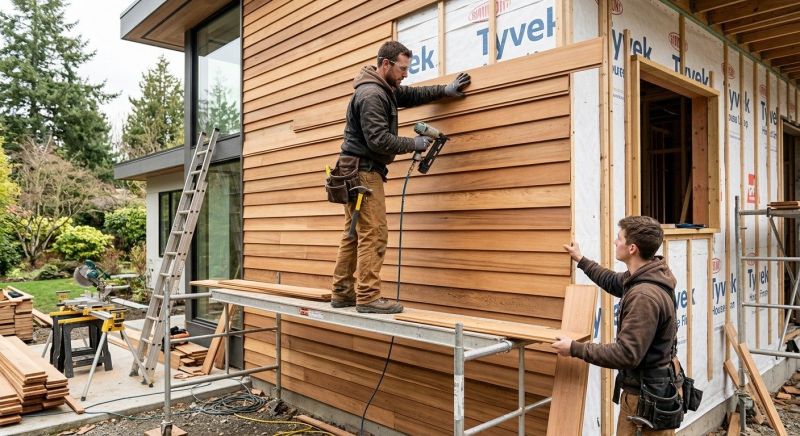
Exterior walls - hardwood cladding can enhance the appearance and durability of building exteriors.
Interior feature walls - adds warmth and texture to living spaces with natural wood finishes.
Decking and facades - provides a stylish and long-lasting solution for outdoor surfaces.
Renovation projects - updates existing structures with modern or traditional hardwood cladding styles.
Commercial and residential buildings - suitable for a variety of property types looking for aesthetic upgrades.
Custom installations - tailored to specific design preferences and architectural requirements.
Hardwood Cladding Installation Questions
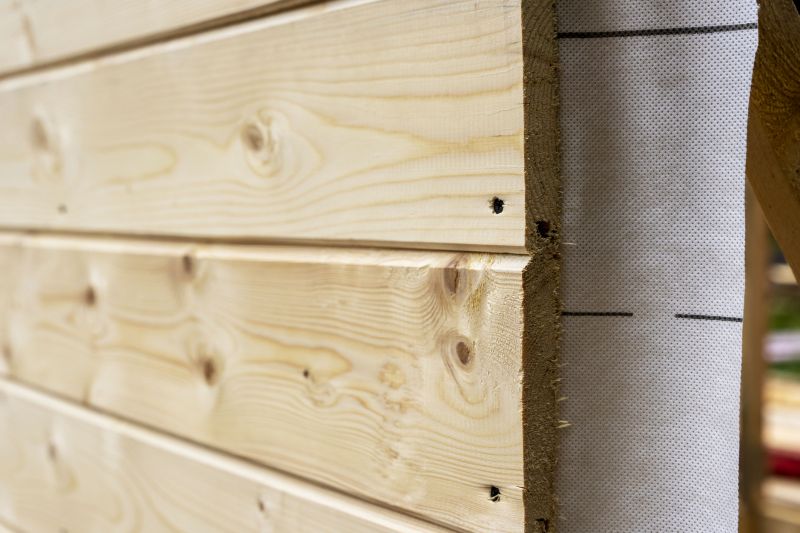
What is hardwood cladding installation? It involves attaching hardwood panels to exterior or interior walls to enhance appearance and durability.
What types of hardwood are commonly used? Popular options include oak, cedar, and merbau, chosen for their strength and aesthetic appeal.
Can hardwood cladding be used on existing walls? Yes, it can be installed over existing surfaces or directly onto framing, depending on the project.
What are typical applications for hardwood cladding? It is often used for feature walls, building facades, and outdoor siding to add style and protection.
Request Hardwood Cladding Installation in Boston, MA
Use the quote form on this page to share the basics of your project and request more information for the type of work you need.